 By Nion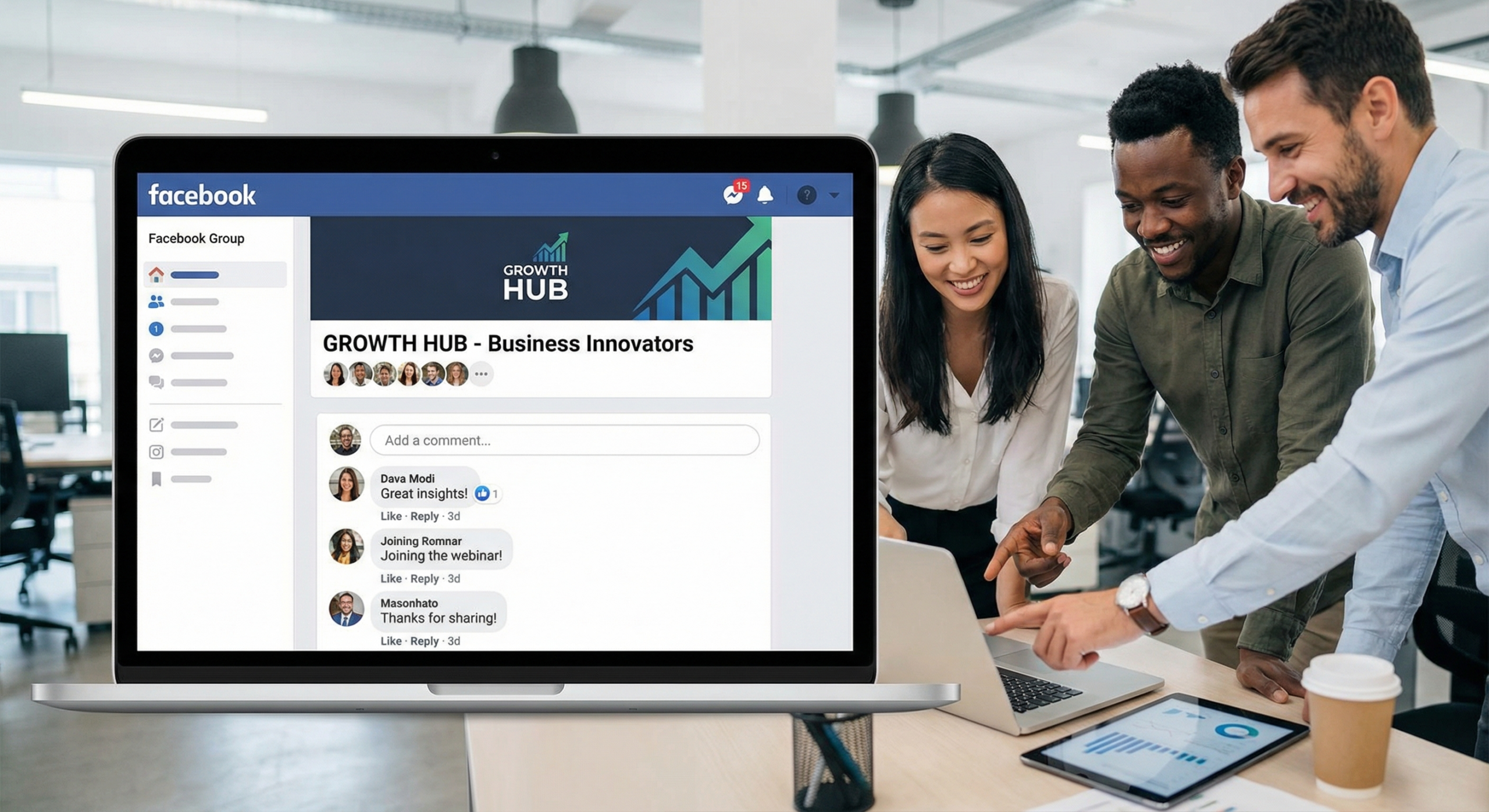
Facebook Groups remain one of the most powerful tools for building a loyal brand community online. Brands that use Groups strategically see higher engagement than those relying only on Pages. In 2026, the right Group strategy can turn casual followers into devoted fans.
Why Facebook Groups Still Matter for Brands in 2026
Facebook has over three billion monthly active users. Groups are where real conversations happen, separate from the noise of the main feed. Brands that invest in Groups enjoy direct, organic reach that Pages simply cannot match.
The Organic Reach Advantage
Facebook Page posts reach only a fraction of followers. Group posts appear more consistently in members’ feeds. This organic visibility makes Groups a cost-effective channel for brand communication.
Community Trust and Brand Loyalty
People trust peer recommendations inside communities. A well-run Group creates a space where customers help each other. That peer-to-peer trust directly strengthens your brand’s reputation.
First-Party Data and Audience Insights
Facebook Groups let you ask membership questions before approving joiners. Those answers give you real data about your audience’s needs. You can use this data to shape your content and product strategy.
How To Set Up Your Facebook Group for Success
A strong setup prevents problems down the road. Take time to configure your Group before you invite your first member. Small decisions at launch have big long-term consequences.
Choosing the Right Group Type
Facebook offers Public, Private, and Hidden Group options. Most brands choose Private so content stays exclusive. Hidden Groups work well for high-ticket customers or premium members.
Writing a Clear Group Description
Your description tells people exactly who this Group is for. Keep it short, specific, and benefit-focused. Include your posting guidelines so expectations are clear from day one.
Setting Up Membership Questions
Ask two or three focused questions when people request to join. Ask about their biggest challenge, their experience level, or how they found you. Good answers help you approve the right members and filter out spammers.
Content Strategies That Drive Real Engagement
Posting consistently is not enough on its own. You need content that sparks conversation and makes members feel seen. A mix of content types keeps your Group fresh and active.
Using Polls and Questions To Start Conversations
Simple polls get high participation with almost no effort. Ask your community what they struggle with most. Use their answers to plan future content and products.
Behind-the-Scenes and Exclusive Content
Group members should feel like insiders, not outsiders. Share previews, early announcements, or backstage glimpses. Exclusivity keeps members engaged and reduces churn.
Member Spotlight Posts
Feature a community member’s win or story each week. People love recognition, and spotlights encourage others to share too. This approach builds warmth and authentic connection inside your Group.
How To Grow Your Facebook Group Organically
Buying members or adding people without consent destroys engagement. Organic growth takes longer, but it produces a genuinely active community. Focus on quality members over raw numbers.
Cross-Promoting on Your Facebook Page
Pin a post on your Page that links to your Group. Mention your Group in every relevant Page post. Your existing Page audience is your easiest first wave of members.
Using Your Website and Email Touchpoints
Add a Group invite link to your website’s sidebar or footer. Include a Group mention in your welcome sequences and newsletters. Every existing touchpoint is an opportunity to drive Group signups.
Collaborating With Other Group Owners
Partner with complementary Group owners for cross-promotions. A short collaboration post reaches a new audience immediately. Choose partners whose members would genuinely benefit from your Group.
Moderating and Managing Your Community
A poorly moderated Group loses members fast. Spam, off-topic posts, and conflict drive people away. Consistent moderation protects the culture you worked hard to build.
Setting and Enforcing Community Rules
Write clear, simple rules and pin them at the top. Common rules cover self-promotion, respectful language, and staying on topic. Enforce rules consistently so members trust the space.
Delegating Moderation Responsibilities
You cannot moderate a growing Group alone. Appoint trusted members as moderators. Give them clear guidelines so they enforce rules the same way you would.
Handling Conflict and Negative Posts
Respond to complaints quickly and calmly. Move heated conversations to private messages when needed. A fast, professional response often turns a complainer into a loyal advocate.
Measuring Success in Your Facebook Group
You need data to know if your Group strategy is working. Facebook provides Group Insights with useful metrics. Track these numbers monthly and adjust your approach accordingly.
Key Metrics To Track
Watch your active member count, not just total members. Track post engagement rate and the number of new posts per week. Declining activity is your early warning sign that something needs to change.
Connecting Group Activity to Business Goals
Ask new customers how they heard about you. Note how many came from your Group. Over time, you will see a clear link between Group activity and actual sales.
Facebook Groups vs. Facebook Pages: A Quick Comparison
| Feature | Facebook Group | Facebook Page |
|---|---|---|
| Organic Reach | High (appears in member feeds) | Low (limited without paid promotion) |
| Two-Way Conversation | Strong (members post and reply) | Moderate (comments on Page posts) |
| Exclusivity Options | Private or Hidden available | Public only |
| Advertising Integration | Limited | Full Meta Ads support |
| Community Culture | Easier to build | Harder to build |
| Membership Control | Approve or deny members | Anyone can follow |
Frequently Asked Questions
How many members do I need before my Facebook Group feels active?
A Group with 100 to 200 engaged members feels more alive than one with 10,000 silent ones. Focus on engagement quality over member count from day one.
Should I link my Group to my Facebook Page?
Yes, linking your Group to your Page is a good idea. It makes the Group easier to find and adds credibility. The connection also unlocks some admin tools not available to standalone Groups.
How often should I post in my Facebook Group?
Posting three to five times per week is a healthy starting rhythm. You can increase frequency as engagement grows. Consistency matters more than volume.
Can I use my Facebook Group to sell products?
Yes, but keep promotional posts to a minority of your total content. A good rule of thumb is one promotional post for every four value-focused posts. Heavy selling drives members away.
What is the best time to post in a Facebook Group?
Check your Group Insights for when your members are most active. Generally, weekday mornings and early evenings perform well. Test different times and track your results for at least 30 days.
How do I deal with self-promotion in my Group?
Create a dedicated weekly thread for self-promotion and direct all promotion there. Remove off-schedule promotional posts and remind the member of the rule. Consistent enforcement stops the problem quickly.
Is it worth creating a Facebook Group if I already have a Page?
Yes, Groups and Pages serve different purposes. Your Page is your public brand face. Your Group is your private community hub. Running both together gives you the full range of Facebook’s community tools.
Conclusion
Facebook Groups give brands a rare chance to build genuine community in a crowded social landscape. With the right setup, consistent content, and smart moderation, your Group can become one of your most valuable marketing assets. Start small, stay consistent, and let your community grow into something your members genuinely treasure.