 By Nion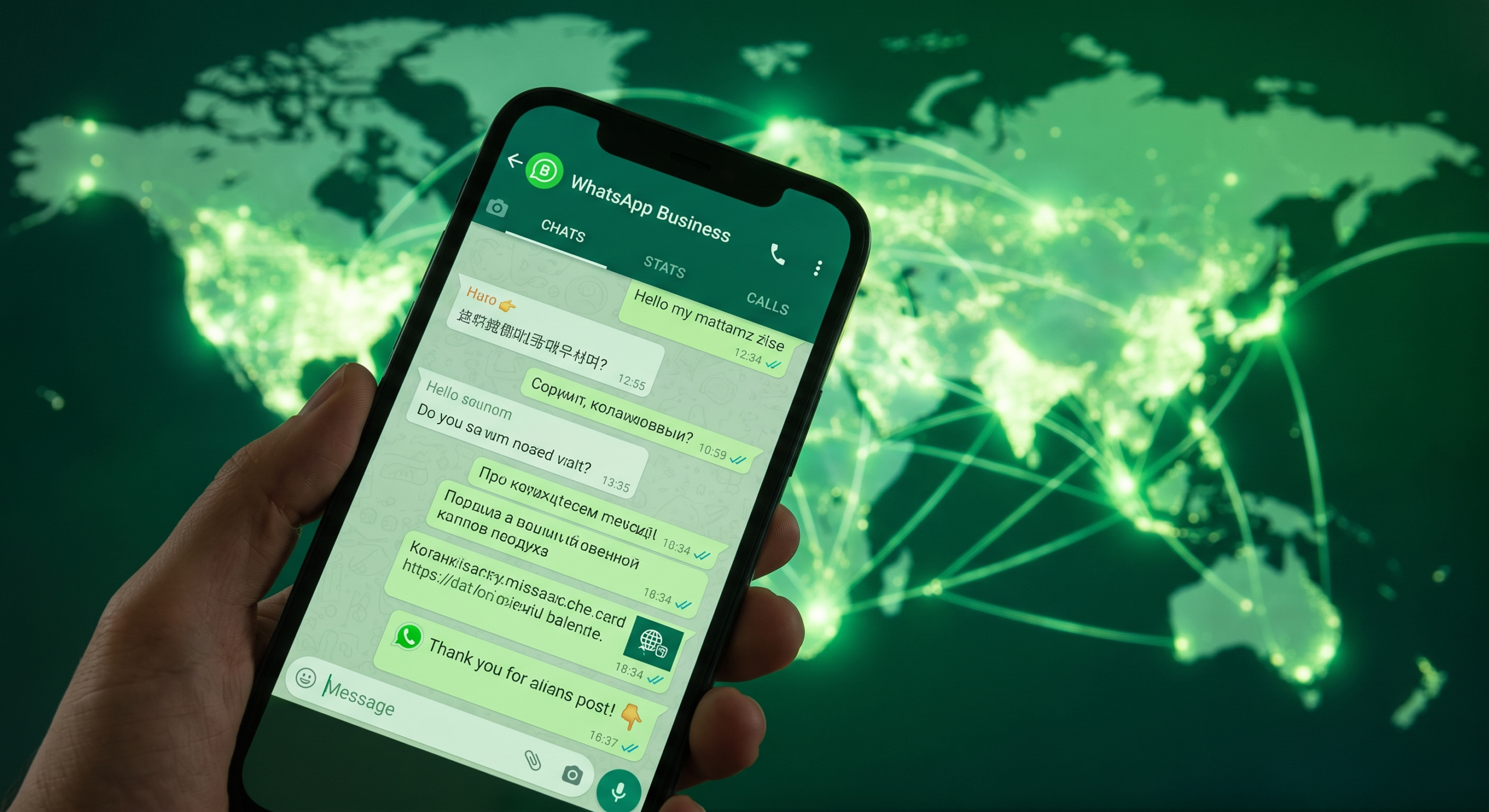
WhatsApp has over 2 billion active users, making it the most widely used messaging app globally. For businesses, WhatsApp Business represents one of the highest-engagement communication channels available — messages sent via WhatsApp see open rates exceeding 90%, compared to 20-30% for email. If you’re building a community or trying to reach audiences in markets where WhatsApp dominates (Latin America, India, Southeast Asia, Europe, Middle East), understanding WhatsApp for business is essential.
WhatsApp Business vs WhatsApp Business API
There are two distinct WhatsApp business products, and choosing the right one for your needs is the first critical decision.
WhatsApp Business App
The free WhatsApp Business app is designed for small businesses. It’s downloaded like the regular app and provides business-specific features: a business profile, catalog for products/services, quick replies, labels for organizing conversations, away messages, and basic analytics. It’s linked to a single phone number and managed by one person. Suitable for businesses handling fewer than 500 conversations per day.
WhatsApp Business API
The WhatsApp Business API (now accessed through WhatsApp Cloud API) is for medium to large businesses that need to handle high message volumes, integrate WhatsApp into their CRM or customer service platforms, send template messages to large lists, and automate responses. It requires a Meta Business account and typically a WhatsApp Business Solution Provider (BSP) for implementation. Costs include per-conversation fees based on message category and country.
Building a WhatsApp Community for Your Brand
WhatsApp Communities launched in 2022 and now support up to 5,000 members — dramatically expanding what’s possible for community building on the platform.
WhatsApp Communities vs Groups
WhatsApp Communities are umbrella structures that can contain multiple Groups. Think of a Community as your brand’s WhatsApp hub, with Groups organized by topic (e.g., Support, Announcements, Regional chapters). Community members can see which Groups exist and opt into the ones relevant to them. This structure is far more scalable than a single large Group.
Growing Your WhatsApp Subscriber List
Growing a WhatsApp subscriber list requires explicit opt-in (GDPR and WhatsApp’s own policies require this). Effective opt-in channels: website popups or dedicated landing pages, links in email newsletters, “Click to WhatsApp” social media buttons, QR codes on physical materials, and exclusive WhatsApp-only offers that provide clear value for opting in.
Content That Works in WhatsApp Communities
WhatsApp is an intimate, high-trust channel — treat it accordingly. Content that performs well: exclusive offers and early access, behind-the-scenes content, direct Q&A access with founders or experts, event reminders and updates, customer success stories, and personalized responses to inquiries. Avoid: high-frequency promotional blasts, content that doesn’t provide clear value, and anything that feels like spam.
WhatsApp for Customer Support
WhatsApp’s high open rates and familiar interface make it an excellent customer support channel, increasingly replacing email and phone for many businesses.
Setting Up WhatsApp Support
Using the WhatsApp Business API with a helpdesk integration (Zendesk, Freshdesk, Intercom all support WhatsApp) creates a professional support workflow where multiple agents can handle WhatsApp conversations, conversations are tracked in a CRM, and automated responses handle common queries.
Using AI Chatbots on WhatsApp
WhatsApp-integrated chatbots can handle FAQs, order tracking, appointment booking, and first-tier support triage automatically. When a query requires human handling, the chatbot escalates to a human agent with full conversation context. This hybrid model dramatically reduces support costs while maintaining the personal feel WhatsApp users expect.
WhatsApp Business Feature Comparison
| Feature | WhatsApp Business App | WhatsApp Business API |
|---|---|---|
| Cost | Free | Per-conversation pricing |
| Users/agents | 1 | Unlimited (via BSP) |
| Broadcast lists | Up to 256 contacts | Unlimited (template messages) |
| Automation | Basic (away/greeting) | Full chatbot & workflow support |
| CRM integration | No | Yes |
| Analytics | Basic message stats | Detailed delivery & read reports |
| Green tick verification | No | Yes (application required) |
Frequently Asked Questions
Is WhatsApp marketing legal?
Yes, when done with proper consent. WhatsApp’s Terms of Service require that businesses only contact users who have explicitly opted in to receive messages. GDPR in Europe and similar regulations globally require documented consent. Buying or scraping WhatsApp numbers and messaging cold is against WhatsApp’s policies and likely illegal in most jurisdictions.
How do I get the WhatsApp green tick verification?
The WhatsApp Business verification (green tick) is available through the WhatsApp Business API only. You apply through your Business Solution Provider or directly via Meta Business Suite. Requirements include a verified Meta Business account, adherence to WhatsApp’s commerce policies, and demonstrating that your business is notable (PR coverage, Wikipedia page, or similar evidence of public recognition can help).
Can WhatsApp replace email marketing?
For some business models and markets, WhatsApp is becoming the preferred direct communication channel. The combination of near-100% delivery rates, 90%+ open rates, and familiar interface makes it more effective than email for time-sensitive communications. However, WhatsApp’s limitations on list sizes, formatting options, and automation complexity mean it works best as a complement to email, not a replacement.
What’s the best way to build a WhatsApp broadcast list?
Focus on offering clear, specific value in exchange for the opt-in: “Join our WhatsApp community for weekly exclusive deals” or “Get delivery updates and support on WhatsApp.” Use multiple touch points (website, social media, in-store QR codes, packaging). Keep your contact list engaged with valuable content — subscribers who don’t hear from you for months forget why they signed up and are more likely to block or report your messages.
Conclusion
WhatsApp Business is an underutilized powerhouse for community building and customer communication, particularly for businesses operating in global markets where WhatsApp dominates. Its extraordinary open rates, intimate messaging format, and new Community features create genuine opportunities for brands willing to invest in consent-based, value-driven communication. Start with the free WhatsApp Business app to test your content and audience response, then invest in the API and chatbot automation once you’ve validated the channel for your business model.