 By Nion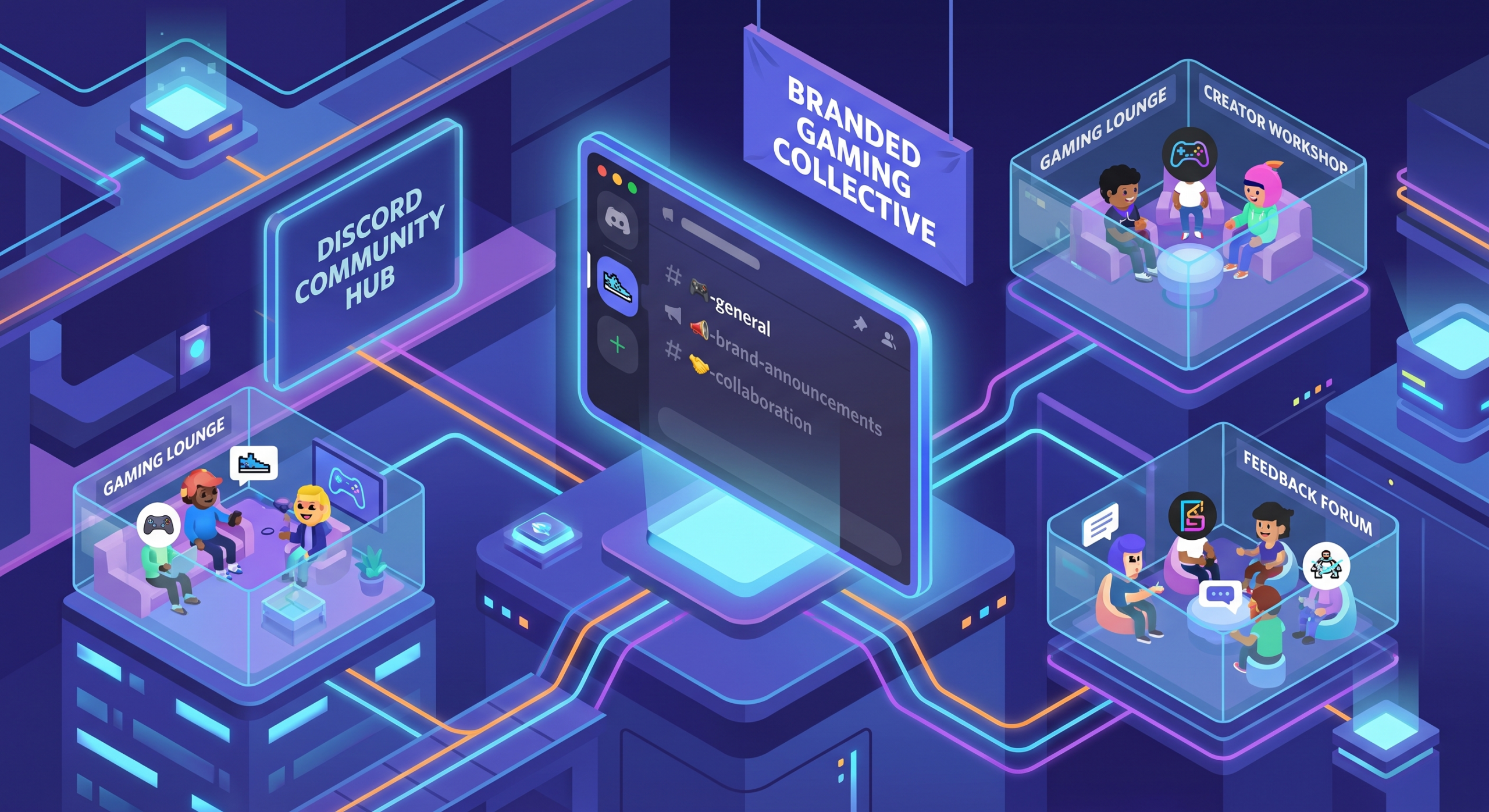
While most brands are focused on growing Instagram followers and TikTok views, a growing number of forward-thinking companies are building something more valuable: private communities where their most engaged audience members actually talk to each other every day. Discord — originally built for gamers — has emerged as one of the most powerful platforms for brand community building in 2026, and brands that have figured it out are seeing engagement levels that social feeds simply can’t match.
This guide breaks down exactly how to build a Discord server for your brand, structure it for engagement, and grow it into a community that genuinely drives business results.
Why Discord for Brands? The Case for Owned Community
Social media algorithms decide which of your followers see your content. Discord doesn’t. When you post in a Discord server, every member who’s online can see it, and notifications bring others back. This algorithmic independence is the fundamental reason brands are investing in Discord communities in 2026.
Discord vs. Facebook Groups vs. Slack
Discord communities feel different from Facebook Groups (which feel like broadcast channels) and Slack workspaces (which feel like work). Discord’s channel structure, voice rooms, and bot ecosystem create a space that feels genuinely social and interactive — closer to hanging out than consuming content.
Who Uses Discord in 2026?
Discord has expanded well beyond its gaming roots. Over 500 million registered users, with particularly high engagement among 18–34-year-olds across technology, finance, gaming, creative industries, and consumer brands. If your audience skews younger or tech-forward, they almost certainly have Discord accounts.
Setting Up Your Server: Structure That Drives Engagement
The single biggest mistake brands make on Discord is creating too many channels too early. Empty channels kill community momentum faster than anything. Start with the minimum viable structure and expand based on actual demand.
The Starter Structure (5–7 Channels)
- #welcome — Pinned rules, quick server overview, how to navigate. Keep it simple.
- #introductions — New member intros. This is your community’s first social interaction. Make it welcoming.
- #announcements — Brand updates, new content, product news. Members-only read access. You post here.
- #general — Anything goes, on-topic conversation. The main town square.
- #ask-us-anything — Questions to your team. Respond within 24 hours. This is your community trust-builder.
- #resources — Your best content, curated links, useful tools. High-value content members return to.
- 🔊 Voice Chat — A general voice channel for live conversation, events, or just hanging out.
Role Architecture
Discord’s role system lets you create a progression for community members. A simple tier system — New Member → Member → Active Member → Moderator — gamifies participation and makes long-term members feel recognized. You can automate this with bots like MEE6 based on message count or tenure.
Growing Your Discord: From 0 to Thriving Community
Phase 1: Founding Members (0–100)
Your first 100 members are everything. Recruit from your most engaged existing audience: your email list, existing social followers who engage consistently, customers who leave detailed reviews. These people become your community’s culture-setters. Invite them personally, not through mass promotion.
Phase 2: Seeding Activity (100–500)
A community that looks empty drives new members away immediately. Schedule daily activity: post a question, share a resource, start a conversation. Don’t wait for organic discussion — generate it. Have team members participate as regular community members, not just as brand representatives.
Phase 3: Organic Growth (500+)
Once your community has consistent daily activity, begin external promotion. Include the Discord link in your content, email signature, bio, and product packaging. Share screenshots of great community moments on social media. Partner with complementary brands or creators who can introduce their audiences to your server.
Content and Programming That Keeps Members Coming Back
AMAs (Ask Me Anything Sessions)
Host monthly AMAs with founders, team members, or industry experts. These drive massive engagement and give community members something they can’t get anywhere else: direct access to people they admire. Schedule them in advance and promote them on all channels.
Exclusive Content and Early Access
Give Discord members something your public audience doesn’t get: early access to products, exclusive discounts, preview content, or behind-the-scenes updates. This creates a clear reason to join and stay that goes beyond conversation.
Challenges and Events
Weekly or monthly challenges — creative prompts, skill challenges, contests — generate user-created content and give members a reason to check in regularly. The best challenges produce shareable results that members post outside Discord, organically growing awareness of your community.
Discord Community Comparison: Key Metrics to Track
| Metric | What It Measures | Healthy Benchmark | How to Improve |
|---|---|---|---|
| Daily Active Members | Engagement depth | 10–15% of total | Daily programming, events |
| Member Retention (30-day) | Community stickiness | >60% | Better onboarding, value |
| Messages per active member | Conversation quality | 5+ per week | Smaller channels, direct prompts |
| Invite conversion rate | Growth efficiency | >40% | Landing page clarity |
| Moderator-to-member ratio | Community health | 1:100 or better | Recruit active members as mods |
Moderation: The Invisible Infrastructure of Community Health
Community tone is set in the first 30 days and is very difficult to change after that. Moderation isn’t about policing — it’s about actively curating the kind of environment where your ideal community member wants to spend time.
Essential Moderation Practices
- Enforce rules consistently and immediately — inconsistency is more damaging than strictness
- Welcome every new member publicly in #introductions within 24 hours
- Use AutoMod to filter spam and explicit content automatically
- Recruit 2–3 active community members as volunteer moderators within your first 6 months
- Create a private #mod-channel for your moderation team to coordinate
Frequently Asked Questions
Do I need a large existing audience to start a Discord server?
No. Many successful brand communities started with fewer than 50 founding members. Size matters less than quality in the early stages. Twenty highly engaged members who talk to each other daily are more valuable than 500 passive lurkers.
How much time does managing a Discord server require?
In the early phase, expect 30–60 minutes per day. As the community grows and moderators take on more responsibility, this reduces to 15–20 minutes of oversight plus event preparation time.
Should I integrate Discord with other tools?
Yes. The Discord bot ecosystem allows integration with Zapier, Notion, GitHub, Stripe (for member gates), and dozens of other tools. Many brands gate their Discord with a paid membership using tools like LaunchPass or Guild.xyz.
Is Discord appropriate for B2B brands?
It depends on your audience. B2B brands serving technical, developer, or startup audiences often find Discord highly effective. B2B brands serving enterprise decision-makers may find LinkedIn Groups or Slack communities more appropriate.
How do I monetize a Discord community?
Directly through Discord’s paid membership features (Discord Premium Memberships), through product promotions and exclusive offers, through sponsored events, or by using the community to reduce customer acquisition costs through referrals and word-of-mouth.
Conclusion
Discord represents something increasingly rare in 2026: a platform where brands can build genuine communities rather than just audiences. The engagement rates, the quality of conversations, and the loyalty generated by well-run Discord communities consistently outperform what social feeds produce.
The investment required is real — time, consistency, and genuine participation rather than broadcast-style content. But the brands that make that investment are building something durable: a group of people who talk to each other, advocate for your brand to their networks, and stay connected in ways that algorithm changes can’t disrupt.
Start small. Recruit your 20 best community members. Create a simple server with five channels. Show up every day. The community grows from consistent presence, not from viral launches.