 By Nion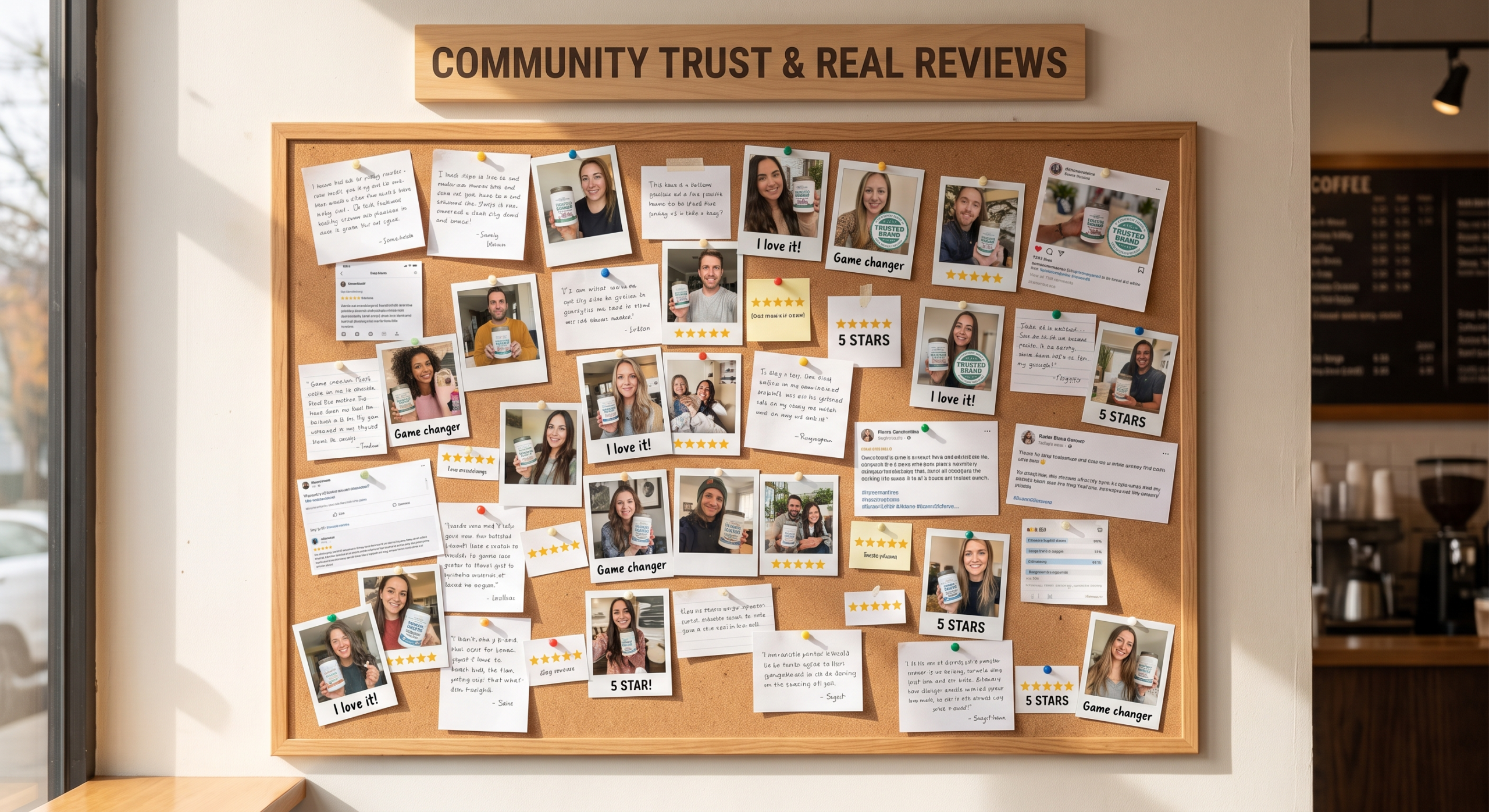
In an era of algorithmic content and AI-generated everything, trust has become the scarcest resource in marketing. Consumers are increasingly immune to brand claims — but they respond powerfully to evidence that real people have had real experiences with your product or service. Social proof — user-generated content, reviews, testimonials, and community endorsements — is no longer a nice-to-have in your social media strategy. It’s the primary mechanism through which modern brands build credibility and grow.
This guide breaks down every form of social proof available to brands in 2026 and gives you a concrete strategy for collecting, curating, and amplifying each type across your social channels.
What Is Social Proof and Why Does It Work?
Social proof is the psychological principle, first named by Robert Cialdini in Influence (1984), that people look to others’ behavior and opinions when making uncertain decisions. When potential customers don’t know if your product is worth buying, they look at what other people have decided — and they calibrate their judgment accordingly.
The 2026 Trust Landscape
Edelman’s Trust Barometer consistently finds that people trust “people like me” — ordinary consumers — significantly more than brand communications, advertising, or even expert opinions. User-generated content is perceived as 2.4x more authentic than brand-created content (Nielsen). For brands competing on social, this means your customers’ voices are your most powerful marketing asset.
Types of Social Proof: A Complete Framework
User-Generated Content (UGC)
UGC is content created by your customers featuring your product — photos, videos, reviews, posts, stories. It’s the most powerful form of social proof because it shows real people choosing to share their positive experience voluntarily (or at low incentive).
How to generate more UGC:
- Create a branded hashtag and actively promote it in packaging, emails, and social bios
- Run UGC campaigns with clear submission instructions and incentives (features, discounts, prizes)
- Ask for UGC immediately after purchase when customer satisfaction is at its peak
- Make sharing easy — link directly to your hashtag, make your packaging photogenic
- Engage visibly with every piece of UGC: comment, reshare, thank the creator publicly
Customer Reviews and Ratings
Star ratings and text reviews on Google, Yelp, Amazon, G2, Trustpilot, or your own website serve dual social proof functions: they signal product quality and they demonstrate that enough people have bought and used your product to have opinions about it.
Review collection best practices:
- Send a review request email 7–14 days after delivery (long enough for use, short enough for memory)
- Make it a one-click process — send a direct link to the review form, never ask them to navigate there
- Respond publicly to every review, positive and negative. Negative reviews responded to thoughtfully build more trust than 5-star reviews alone
- For B2B, prioritize G2, Capterra, and Clutch — these platforms are where buyers research
Testimonials
Testimonials are curated customer quotes, typically collected proactively. Unlike organic reviews, testimonials are specifically crafted (with the customer’s input) to address common objections or highlight specific outcomes.
Effective testimonials include:
- A specific, quantified outcome (“Revenue increased 43% in 90 days”)
- The customer’s name, company, and role (removes anonymity, increases credibility)
- Their headshot or company logo
- The specific problem they had before finding your product
Influencer and Creator Social Proof
When someone with a trusted following endorses your product, their audience’s existing trust transfers partially to your brand. This works most powerfully with micro-influencers (10K–100K followers) who have high audience trust and niche relevance, rather than mega-influencers with broader but shallower connections.
Expert and Media Mentions
Press features (“As seen in Forbes”), analyst endorsements, and expert quotes establish authority social proof — the sense that people with relevant expertise vouch for your quality or relevance.
Social Proof Strategy: Platform-by-Platform
| Platform | Best Social Proof Type | Format | Posting Frequency |
|---|---|---|---|
| UGC photos/videos, before-after | Feed, Reels, Stories | 2–3x per week | |
| TikTok | Customer video reviews, UGC reactions | Videos 30–90 sec | 3–5x per week |
| Case studies, expert testimonials | Articles, carousels | 2x per week | |
| Twitter/X | Retweets of customer praise, screenshots | Quoted tweets | Daily |
| Community reviews, group testimonials | Posts, albums | 3x per week | |
| UGC product photos, lifestyle shots | Pins, boards | 5+ per week |
The UGC Rights Framework: Legal Considerations
Using customer content without proper permission creates legal and reputational risk. Getting this right protects your brand and builds trust with the creators whose content you’re using.
Best Practices for UGC Permissions
- Always ask explicitly — A comment under a customer’s post requesting permission is sufficient for most organic repurposing, but get written confirmation for paid campaigns or website use
- Credit the original creator — Always tag them in reposts. This is both courtesy and community-building
- Use UGC rights platforms — Tools like TINT, Stackla, or Bazaarvoice automate permission requests and provide a rights management audit trail for compliance
- Branded hashtag campaigns — When customers post under your branded hashtag as part of a campaign, ensure your campaign terms include content rights language
Amplifying Social Proof: Beyond Posting
Create a Social Wall
Aggregate your best UGC and reviews into a live social wall on your website’s homepage or product pages. Tools like Juicer, Walls.io, and Yotpo pull in tagged content automatically and display it in an attractive feed. This social proof works at the highest-intent moment: when someone is on your site deciding whether to buy.
Turn Reviews Into Ad Creative
Your best reviews make your best ad copy. A verbatim customer quote paired with a product photo routinely outperforms professionally produced brand creative because it reads authentic. Test review-based ad copy against brand copy — the results are consistently surprising.
The “Moment of Delight” Capture
Train your team to capture and share moments when customers spontaneously express delight — an excited unboxing video, a surprise positive comment, a screenshot of an unsolicited glowing review. These organic moments of genuine enthusiasm are your most credible social proof and your most shareable content.
Frequently Asked Questions
Should I pay customers for UGC?
Small incentives (discounts, features) can increase UGC volume without significantly compromising authenticity perception, as long as the incentive doesn’t feel like a bribe for positive reviews. Requiring positive sentiment in exchange for compensation is both ethically problematic and increasingly regulated by the FTC.
How do I get more reviews from satisfied customers?
The single most effective tactic: ask directly, immediately after the moment of peak satisfaction, with a frictionless one-click path. Most satisfied customers simply don’t leave reviews because it’s not convenient. Remove the friction.
What should I do about negative reviews?
Respond publicly, empathetically, and with a specific resolution offer. Research shows that a negative review with a thoughtful brand response creates more trust than a page of 5-star reviews with no engagement. Never delete or argue with negative reviews — it destroys credibility.
How much UGC should I post vs. branded content?
A common effective ratio is 20–30% UGC in your content mix. Higher ratios work well for lifestyle and consumer brands; lower ratios are more appropriate for B2B and luxury brands where brand voice and polish matter more.
Can I use competitor reviews as social proof?
In comparative advertising contexts (clearly labeled as such), showing that customers switched from a competitor with a specific reason is legitimate. Direct comparison content requires legal review but can be highly effective when done carefully.
Conclusion
The brands winning on social media in 2026 aren’t the ones with the biggest production budgets — they’re the ones that have turned their customers into their most credible marketers. Social proof strategy is the discipline of systematically capturing, curating, and amplifying the authentic voices of people who genuinely love what you do.
The work is ongoing: collecting reviews, repurposing UGC, building relationships with creators who represent your customer, and responding to every piece of feedback with care. But the compounding effect of a library of authentic customer voices, deployed strategically across your social channels and website, creates a trust asset that no advertising budget can replicate.
Start today: identify your most satisfied recent customer, send them a one-question testimonial request, and post it this week. That single piece of real customer content will outperform most of your brand content. Scale from there.